🏠 Everyday Things That Came From Space Tech (and 3 That Didn’t)
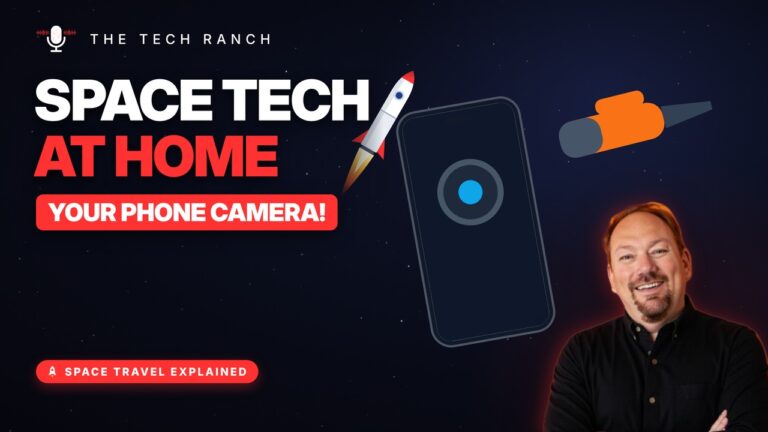
Memory foam, the camera chip in your phone and even baby formula nutrients came from NASA research.


Memory foam, the camera chip in your phone and even baby formula nutrients came from NASA research.
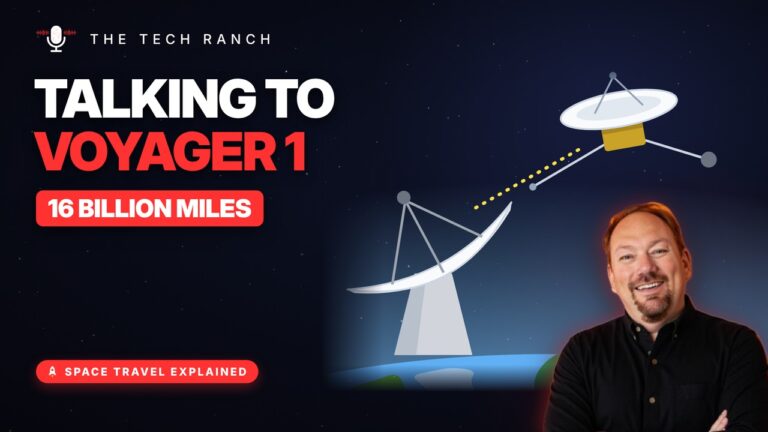
On November 18, 2026, Voyager 1 reaches one light-day from Earth: a message takes 24 hours to get there.
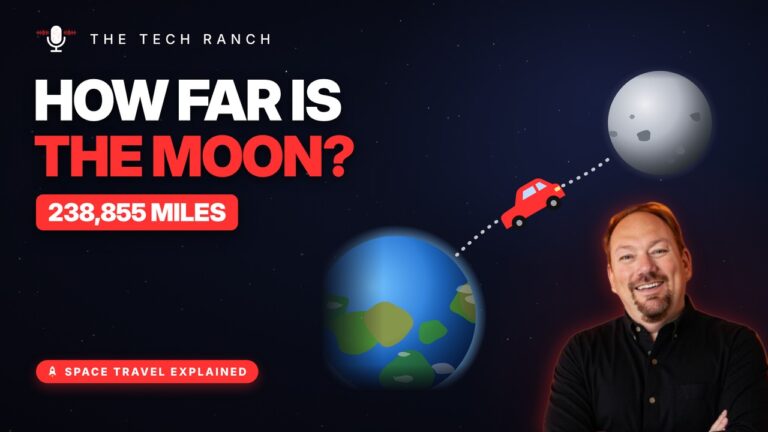
When the Moon is at its farthest, all the other planets could fit side by side in the gap.
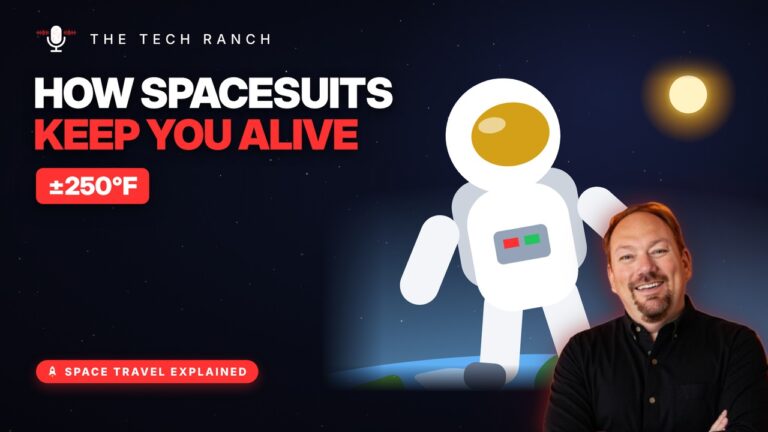
A spacesuit is a spaceship you wear: pure oxygen, pressure, cooling underwear and a gold visor.
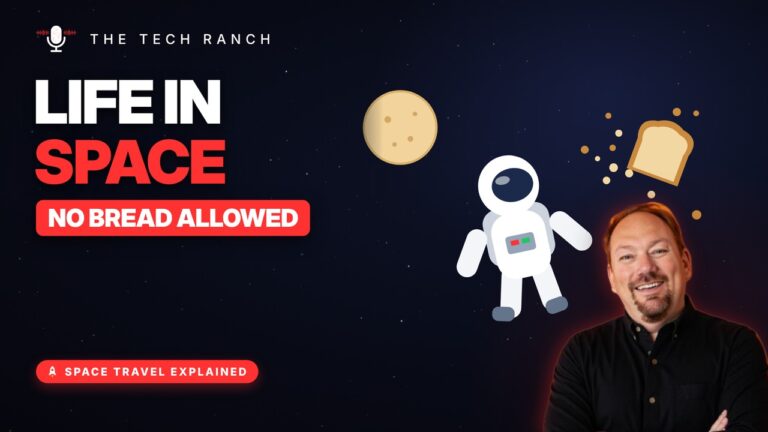
Bread crumbs float into eyes and equipment, so astronauts eat tortillas. And the space toilet? Fans do the flushing.
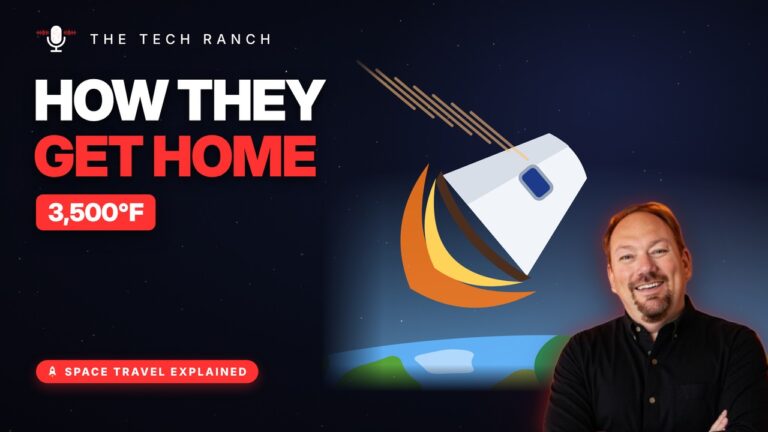
A heat shield takes up to about 3,500°F of heat, then parachutes slow the capsule to about 15 mph for splashdown.
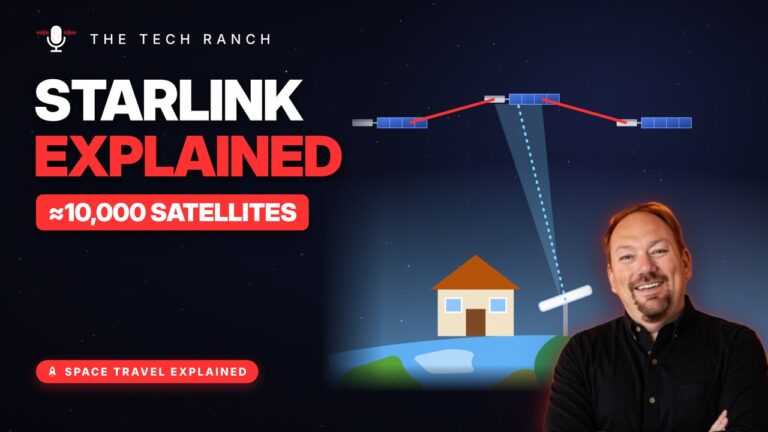
Starlink satellites fly about 340 miles up, about 65 times closer than old internet satellites, so there’s far less lag.
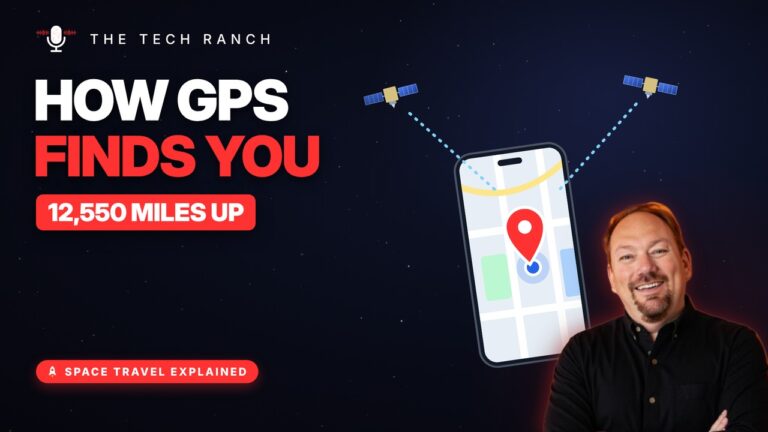
Your phone measures how long signals from GPS satellites take to arrive, then turns those times into distances to find you.
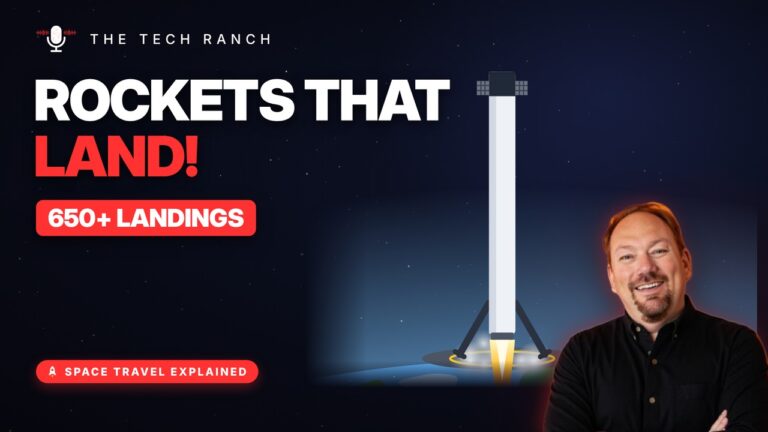
Reusable boosters flip, slow down and land themselves. SpaceX boosters have landed more than 650 times.
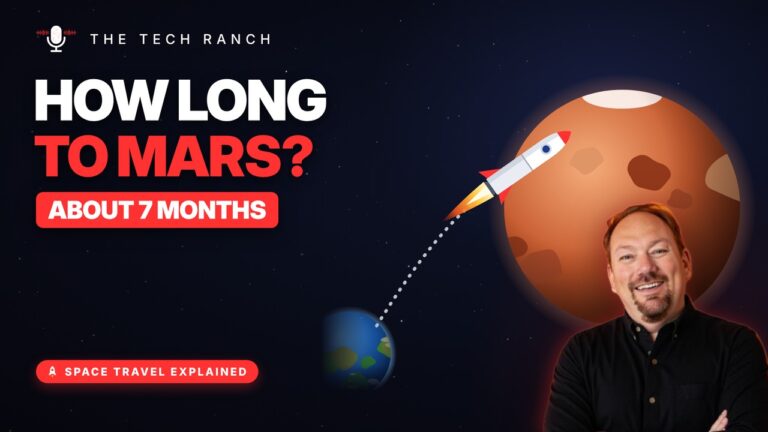
Most trips to Mars take about 7 months. NASA’s Perseverance rover took 203 days.